Photo credits: Ivar Pel
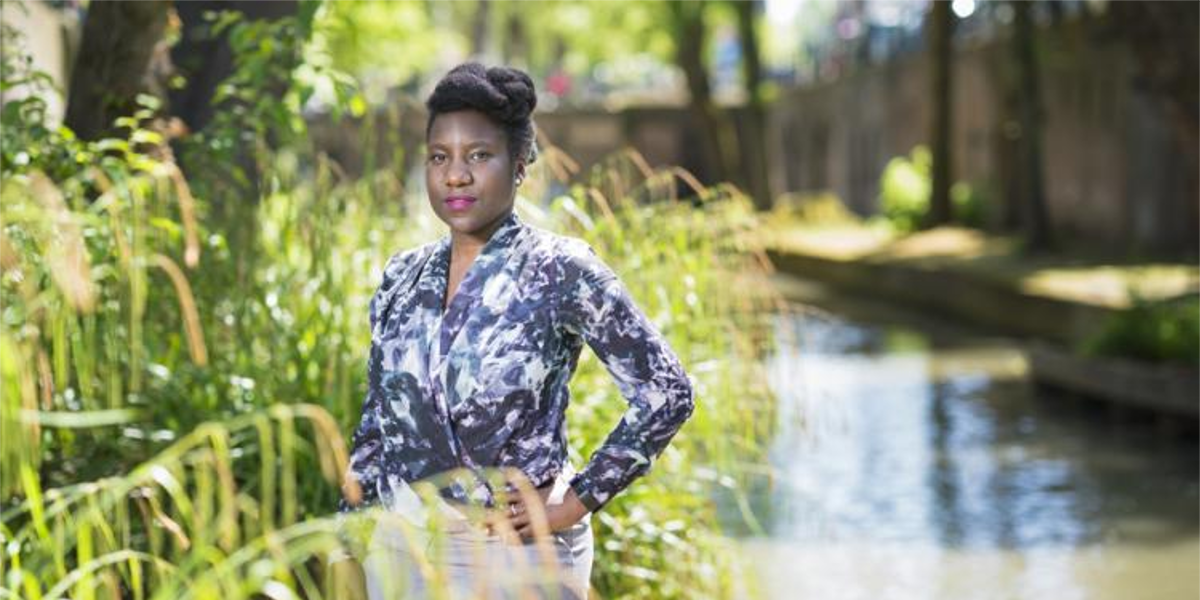
In most western countries water seems a matter of course. Not having access to clean water or walking for miles to get some drinking water only happens in developing countries, right? Wrong. Far away now is here. Day Zero is a hazard on a global scale. AIWW meets dr. Daphina Misiedjan, human rights & environments professor.
Water shouldn’t be taken for granted, even though back in 2010 the United Nations decided governments are obliged offering clean drinking water for everyone at a maximum of 3% of the family income. “Even in developed countries not everyone is able to pay for water. Every day people, families, have their water supplies cut off, because they can’t pay the water bills. This group will be bigger in the near future, which climate change leading to drought and water scarcity. Especially in vulnerable groups in society stress, mental illness and desperation will increase. Whereas some groups in society – agri, industry – have access to water to produce goods and make money over it… Sometimes the water is even subsidized! That is the world upside down, and maybe we have to turn the world upside down. We should consider water for everyone as a right, not only as a basic need. And if we see it as a right, we can refer to our legal systems and enforce clean drinking water.”
Does this already happen? “I haven’t seen it in let’s say Europe or California yet, but it happens in South-Africa for instance. South-Africa is heading for Day Zero, the day there won’t be any water flowing from the tap. This creates a sense of urgency, with people becoming more aware of their human rights and access to drinking water. I see increased awareness in countries where the water supply is privatised and (commercial) companies are responsible for it, with raised costs as a result. In Bolivia and some European countries govenments have to undo privatization because of this, pushed by monetary funds.”
Give the water rights
Some countries give water ownership, with accompanying rights as a certain water quality and natural course. This happened in Colombia (Amazone), USA (Lake Eerie) and New Zealand. “Our right to water is connected with our obligations to take care of water. Obligations towards nature, ecological principles. Aknowledging a river or a lake has rights helps securing water for our next generations.”
With water going beyond borders, how can you decide about ownership? “This is very complicated. Each country has there own laws and not every country recognizes water as an entity with rights. Even within countries there can be conflicts, like in Jemen. One law says ‘water belongs to the land owner’, whereas the other law wil state ‘the water is from noone and everyone, because it’s God’s gift.’ You can’t solve those conflicts easily, because everyone is right.”
About Daphina Misiedjan
Dr. Daphina Misiedjan is professor at the International Institute of Social Studies (ISS) at Erasmus University Rotterdam. She specializes in the combination of human rights, environment and social justice. She obtained her doctorate in sustainable human rights to water for vulnerable population groups. Also, watch this video with Daphina.
Parts of this interview are based on articles published on Trouw.nl