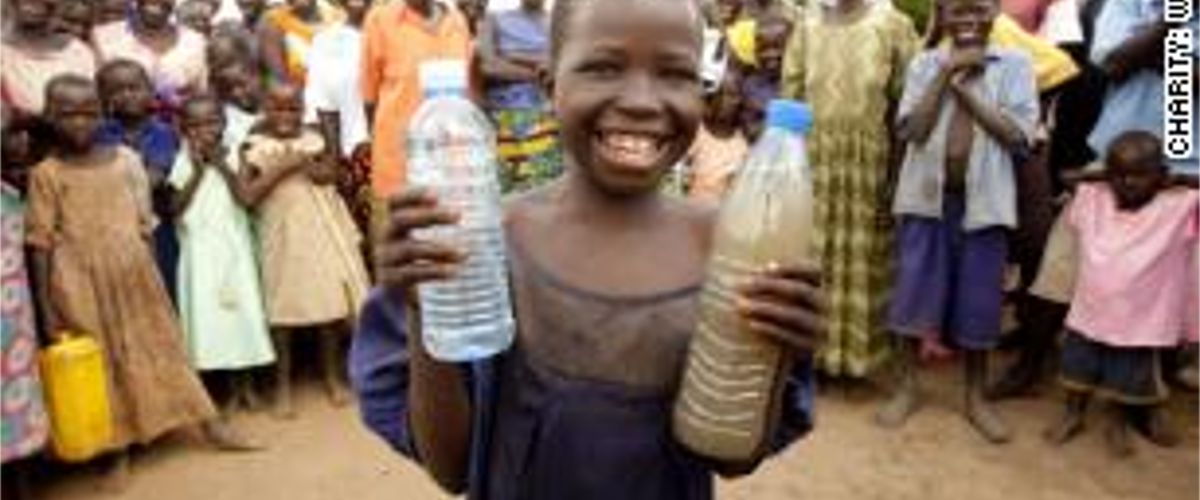
Washing your hands frequently, with plenty of water and soap, is one of the simplest and most effective measures to stop the spread of the coronavirus. Yet for many, the first line of defense against Covid-19 is out of reach. Due to a lack of water supply and indoor plumbing, three-quarters of households in the developing world won’t be able to follow this advice, Tim Wainwright of the nonprofit WaterAid told The Guardian. How will they cope when the pandemic escalates and there is no clean water to help stop contagion?
This is not a faraway problem. The pandemic may be raging in Europe and the US, but it is spreading across Asia, Africa and Latin America, from where it may yet return to strike the Northern Hemisphere again. This pandemic is a global threat, and it will not be defeated until our most vulnerable communities are safe. One of the crucial ways of keeping them safe is to ensure they have access to safe water and sanitation; never has the sixth UN Sustainable Development Goal, which aims to ensure just this by 2030, been more vital for saving and protecting lives.
Here is the scale of the problem: Every year, 1.5 million young children die of preventable infectious diseases such as diarrhea because of poor sanitation, according to UNICEF. One out of every three humans on our planet — some 2.2 billion people — lack access to safe drinking water, and six out of 10 lack access to proper sanitation, meaning toilets or safely managed sewage systems. Residents of the Kibera slum in Nairobi, Kenya, can share one pit latrine with over 100 people. In Dharavi, Asia’s largest urban slum located in Mumbai, India, 80% of its seven million residents have no running water, the National Observer has noted. What hope do they have of washing their hands frequently?
Even before Covid-19 struck, the UN called water scarcity “the scourge of the earth.” Because of climate change and the depletion of fresh water resources, two-thirds of humanity could be living in water-stressed areas (facing water shortfalls not as severe as those deemed water “scarce”) just five years from now, according to UN projections. Two years ago, Cape Town in South Africa came perilously close to “Day Zero” — the day its 3.7 million residents would run out of water. Strict water rationing has been the order of the day ever since. Water scarcity increases the burden on the poorest of the poor — women who must walk for miles to find water and carry it back to their homes. And, of course, water scarcity makes the challenge of delivering clean water and sanitation much more complex.
The problem, shockingly, is not confined to poor countries. More than two million Americans live without running water, indoor plumbing or wastewater treatment, according to the nonprofits Dig Deep and the US Water Alliance. A report by Food & Water Watch found that, in 2016, 15 million Americans had their water shut off due to an inability to pay water bills — one out of every 20 households across the country. The US neither provides a constitutional right to water nor recognizes the UN Human Right to Water and Sanitation.
The truth is that in every country, water infrastructure — where it is present — is deteriorating. Underinvestment in water networks and treatment facilities has been the norm for decades. We are a long way off being able to meet the UN’s water goals for 2030.
Image source: CNN Report